Understanding the Recovery Timeline and Symptoms After a Caesarean Section

Updated: Dec 3, 2025
A caesarean section, or C-section, is a major surgery that brings new life into the world but also requires careful recovery. Knowing what to expect during the healing process can help new mothers feel more prepared and confident. This post breaks down the typical recovery timeline after a C-section and highlights common symptoms to watch for along the way.

The First Few Days After Surgery
The initial days following a C-section focus on managing pain and preventing complications. Most women under my care stay in the hospital for about 2 days after the procedure. If you are fit enough, you may be discharged after one day.
Pain and discomfort: It is normal to feel soreness around the incision site and in the abdomen. Pain medication prescribed by the doctor helps manage this. Always inform your doctor if the pain is not well-controlled.
Bleeding and discharge: Vaginal bleeding, called lochia, continues for several weeks. It starts heavy and gradually lessens.
Mobility: Movement soon after surgery can reduce the risk of blood clots (especially in the legs). Walking short distances helps circulation.
Bladder and bowel function: Some women experience difficulty urinating or constipation. Drinking fluids and eating fibre-rich foods can support recovery.
During this period, it is important to rest as much as possible and avoid lifting anything heavy. The body is working hard to heal the uterus and abdominal muscles.
Weeks 1 to 3: Building Strength and Healing
By the end of the first week, many women notice a gradual improvement in pain and mobility. The incision site may still feel tender and itchy as it heals.
Incision care: Keep the area clean and dry. Watch for signs of infection such as redness, swelling, or discharge.
Pain levels: Pain usually decreases but some discomfort may persist, especially with movement or coughing.
Energy levels: Fatigue is common. It is important to balance activity with rest.
Emotional changes: Hormonal shifts and the demands of caring for a newborn can cause mood swings or feelings of sadness. Support from family and healthcare providers is valuable.
Light activities like walking and gentle stretching can help rebuild strength. Avoid strenuous exercise or heavy lifting until cleared by a doctor, typically after 6 weeks.
Weeks 4 to 6: Regaining Normalcy
At this stage, many women feel stronger and more able to resume daily tasks. The uterus continues to shrink back to its pre-pregnancy size.
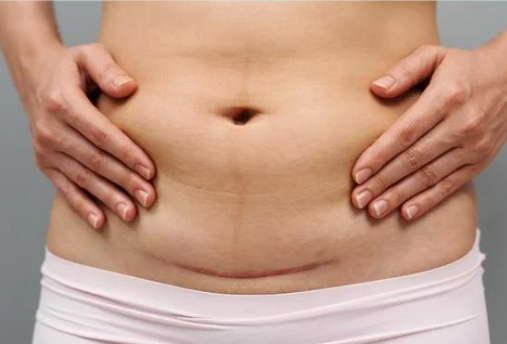
Incision healing: The scar may still be pink or raised. Some moms do feel different on or around the scar - typically described as numbness/prickly transient pain. This is not unexpected and the symptom will reduce over time.
Physical activity: Moderate walking and pelvic floor exercises are encouraged. Avoid high-impact activities.
Sexual activity: Most doctors recommend waiting until after the 6-week checkup to resume sex.
Emotional well-being: Postpartum depression can develop anytime in the first year. Seek help if feelings of sadness or anxiety persist.
Regular follow-up appointments help monitor healing and address any concerns. It is normal to have good days and bad days during this phase.
Beyond 6 Weeks: Long-Term Recovery
Full recovery from a C-section can take several months. The body continues to rebuild strength and the scar tissue matures.
Scar appearance: The scar usually fades over time but may remain visible.
Exercise: Gradually increase activity levels based on comfort and doctor’s advice.
Pelvic health: Some women experience pelvic pain or urinary issues that require physical therapy.
Emotional health: Ongoing support and self-care remain important.
Women who had complications during surgery or previous C-sections may have a longer recovery. Listening to your body and pacing yourself is key.
Symptoms to Watch For During Recovery
While many symptoms are normal, some require medical attention:
Fever over 38°C
Severe abdominal pain that worsens
Heavy vaginal bleeding soaking more than one pad per hour
Redness, swelling, or pus at the incision site
Difficulty breathing or chest pain
Persistent severe headache or vision changes
Signs of blood clots such as leg swelling or pain
If any of these occur, contact a healthcare provider promptly.

You got this mommies!
Whether you had a C-section or a normal delivery, please remember this:
each day will get a little easier.
You are doing an amazing job, and things will get better, one day at a time. 💛


Comments